
The Brothers’ Search for Moral Ground
The Brothers KaramazovThis flow traces different answers to the question of how people can live with freedom, evil, and shared responsibility.
increasing Bearing strength in each event
 decreasing
Bearing strength in each eventdecreasingEverything Is Permitted
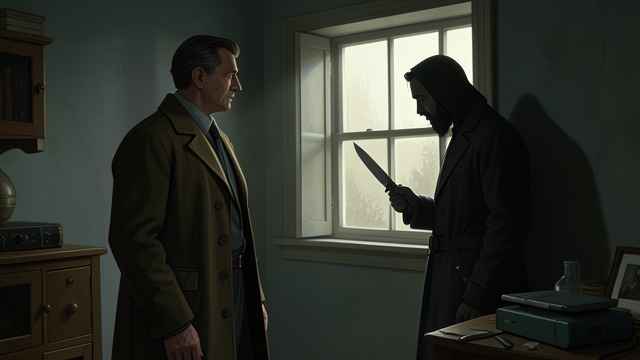
An unsettling proposition
Morality without immortality
Ivan’s arguments suggest that if God and immortality do not exist, conventional moral limits may lose their foundation. Dmitri hears the implication as a dangerous permission, while Rakitin argues for secular ideals instead.
Ideas enter the household
The proposition circulates among people whose interests are immediate and conflicting. Its meaning becomes less a formal doctrine than a question of who may act, and who bears responsibility for an act.
Alyosha’s Answer to Rebellion
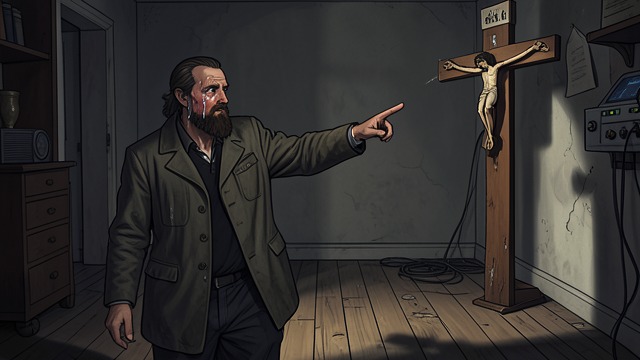
Love confronts refusal
The unatoned tears
Ivan rejects a harmony that would justify the torture of children. Alyosha agrees that he could not accept such a foundation, then points toward Christ’s innocent suffering as a possible answer.
No easy resolution
Alyosha’s answer does not erase Ivan’s protest. The brothers retain affection, but Ivan leaves with his refusal intact and Alyosha with the painful knowledge that love alone has not answered every question.
Responsibility Beyond the Court
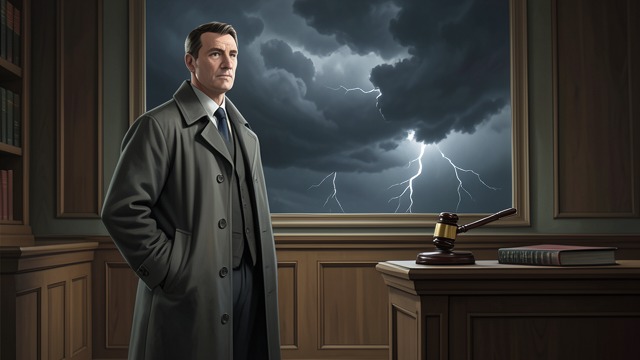
Guilt exceeds a verdict
Legal and moral responsibility
Dmitri is convicted of a murder he did not commit, while Ivan knows that his choices helped open the way to it. Smerdyakov is legally absent at trial, though he performed the killing.
A demanding moral question
The novel separates proof, intention, and responsibility rather than making them interchangeable. Its family tragedy asks how people should answer for harm they desired, enabled, suffered, or failed to prevent.
the family gathering and Ivan’s early conversations
Ivan and Alyosha’s long conversation at the Metropolis
the arrest, confession, and trial aftermath
